
Creative Like Christ


The votes are in! Thanks to everyone who shared their thoughts about this Substack, and I’m happy to announce I’ll be keeping it going. Well, OK, I admit that was always the plan. I just wanted to check whether anyone was actually reading. It seems many of you are. So hooray… and onward! I’m also keeping it free. If you feel so inclined, you can show your appreciation with a paid subscription below. For the price of an East London coffee you can tip me per month to keep going. Think of it as a donation for maintaining my caffeinated enthusiasm. Every little helps, as they say.
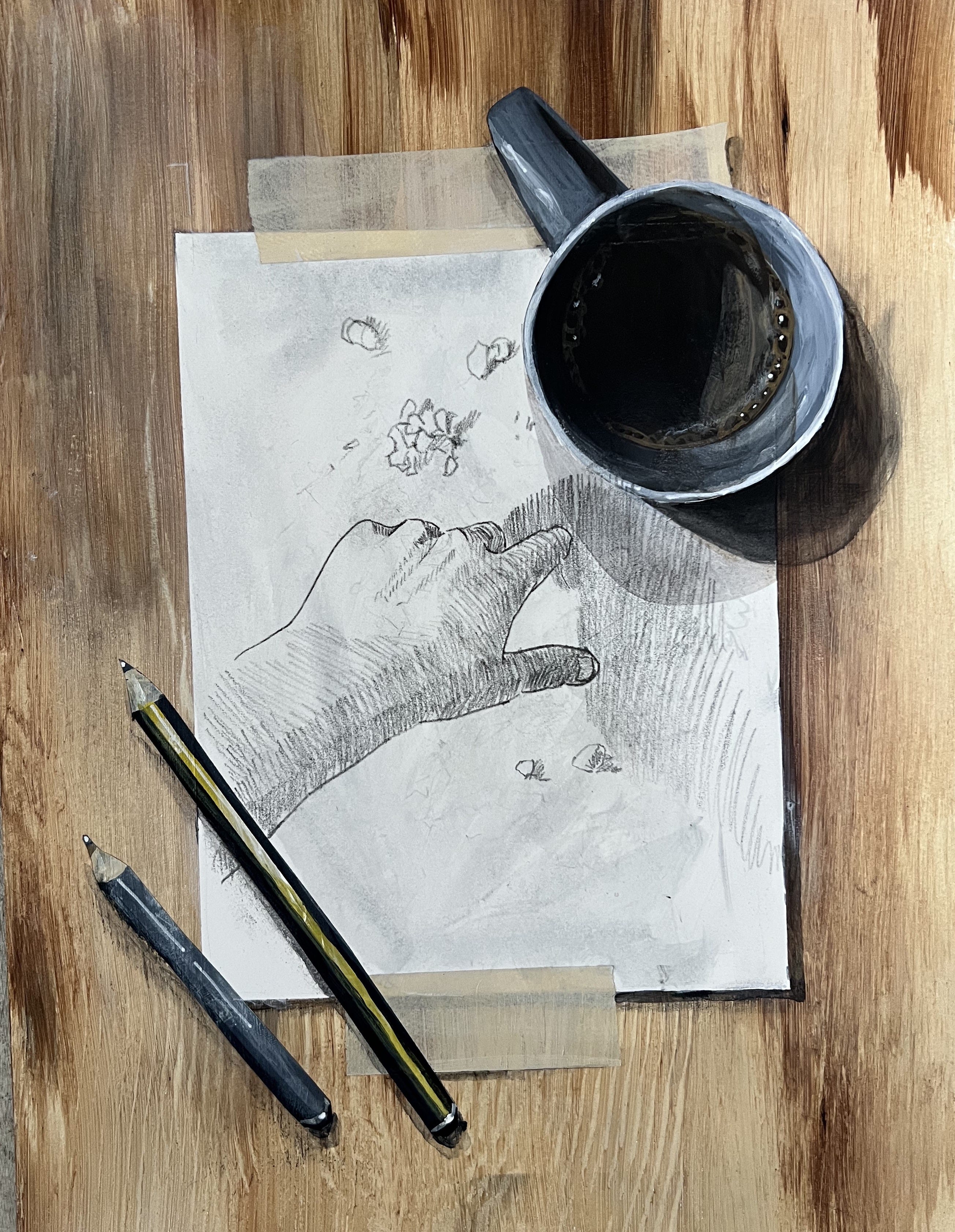
It’s a double celebration this week, as I welcome my 100th subscriber! That’s right, 100 of you brave souls are willing to read my ramblings. Thanks, everyone. Please keep spreading the word. If I can get to 200, I promise I’ll share my secret for painting masking tape.
So, what shall we discuss? I’m launching a mini-series exploring the creativity of Jesus and what this means for us as image-bearers of God and as creative individuals - both professional and aspiring.
From Genesis to Revelation, the Bible overflows with creativity. It doesn’t take much digging to see how creativity lies at the heart of God’s character and His intentions for humanity. Indeed, we only need to look five words into Genesis to see how creativity matters to God. It’s the first thing we learn about his character and purpose for creation. Consider the poetry of the Psalms and Proverbs, the blend of pastoral warmth and rhetorical prowess found in Paul’s New Testament letters, or the apocalyptic imagery in Revelation that makes you wonder if John was secretly writing a script for a blockbuster sci-fi movie.
Traditionally, the Bible is believed to have been penned by about 40 different authors over roughly 1,500 years. These writers represent diverse backgrounds - prophets, kings, shepherds, scholars - and they composed works in various genres, including poetry, history, and letters. It’s remarkable when you think about it: the Bible is a unique work of art, both divinely inspired (breathed out by God – think 2 Timothy 3) and crafted by human hands. I think of it like a divine collaborative art project that went splendidly right.
Let’s also take a moment to consider the great creative figures that populate God’s Word: the poet David, famed for his songwriting, and Bezalel, along with his design school in Exodus, who created the artifacts for the tabernacle. I think of the grandeur of Solomon’s temple, an architectural marvel that seemed to prioritise aesthetic splendour over mere function. Think of all those golden columns. I don’t think they were all needed just to keep the roof up.
In both its presentation and the characters within, God’s Word is bursting with creative endeavour and creative image-bearers.
When I reflect on the extraordinary examples of creativity in the Bible, one figure stands out above the rest: Christ himself. The great carpenter of Nazareth, who crafted beautiful pieces of wood, also infused his creativity into his speech and storytelling.
Picture yourself in the dry heat of northern Israel, soothed only by a gentle breeze from the Sea of Galilee, as you listen to Jesus weave his masterful tales about the Kingdom. It’s no coincidence that Jesus chose storytelling as his preferred teaching method. Stories have a unique power to resonate with us; from our earliest days, we are captivated by story, eager to listen and share them.
What did Jesus scribble in the sand on that dry Jerusalem morning? Was it a drawing, a doodle, or even the opening line to an unpublished short story titled, ‘How to Annoy the Pharisees’? Perhaps it doesn’t matter. What truly matters is that he chose to respond to the Pharisees in an unexpectedly creative way. Jesus calls us to follow in his footsteps.
The ultimate creative, Jesus didn’t just heal the sick and impart moral lessons; He told stories, painted vivid pictures with parables, and engaged in acts of compassion that revealed the heart of God. His creativity was not confined to the miraculous; it extended to how he interacted with people, inviting them into a new way of seeing the world.
So, what does it mean to be creative like Christ? How can we honour Jesus in every facet of our lives, especially in our creative pursuits? If we are to emulate Christ’s creativity, we must consider how to see it as a blueprint for Christian discipleship across all areas of contemporary life - at home, in church, in the workplace, within our families, and in society. These are the questions I look forward to unpacking in the weeks ahead. I hope you can join me for the ride.
Your secret to painting masking tape is what I’m looking forward to. Roll on subscriber 200.