
From Ordinary to Extraordinary
Objects of Enchantment is open… come on in!

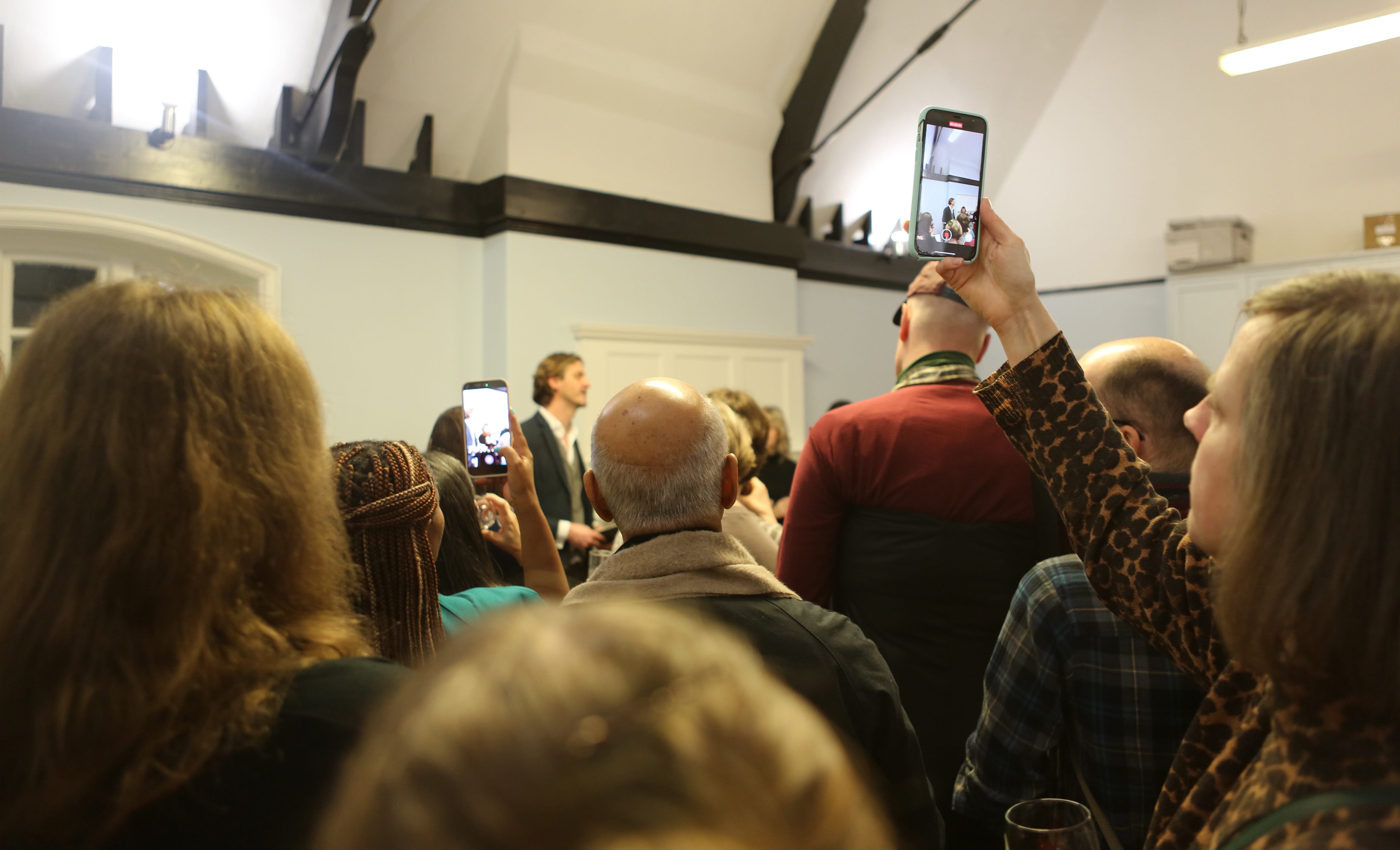
My exhibition opened this week in London, and my sincere thanks go out to everyone who braved the winter chill to attend the launch night. And what a night it was! We were bursting at the seams. A special shout-out to those who prayed for me; I shared last week about my nerves, and I felt a great sense of peace and God’s presence throughout the evening. I’m posting a few images here, and you can see more on my Instagram account, handily linked here.
As much as we celebrated the new paintings, it was also a chance to honour the remarkable collection of historical artefacts at the museum where I have the privilege of serving as the resident artist.
One visitor asked me what an artist in residence actually does. She wondered if, in fact, I had been sleeping in the museum for the past three months. So, let me clarify: I haven’t actually been living there the whole time. Although, with the amount of time I’ve spent wandering the collection, I did start to feel oddly at home. At times, the museum felt more like my living room, just with fewer snacks and an unshakeable sense of decorum.
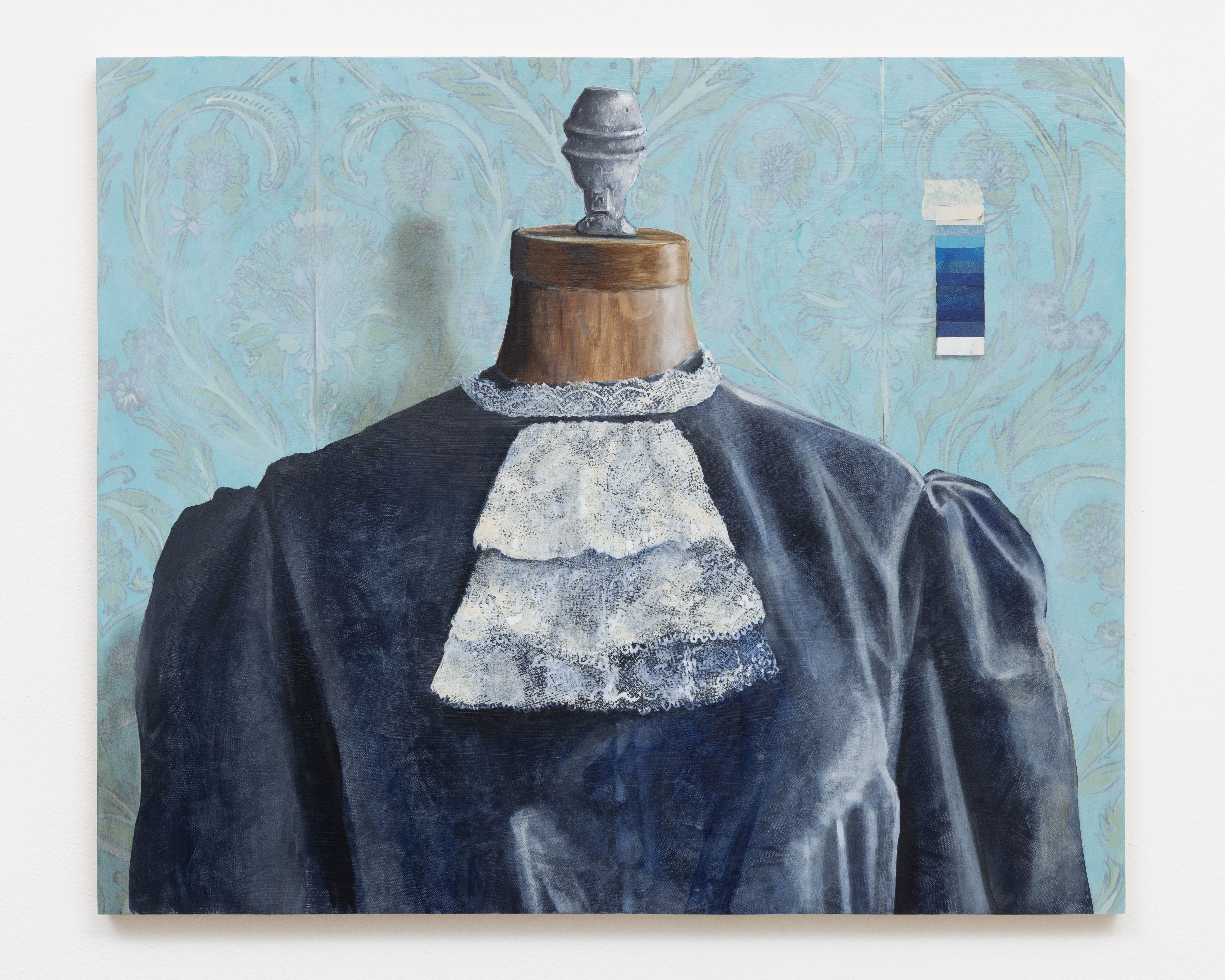
I have genuinely loved being the artist in residence at the museum, and most of the paintings you’ll see in this exhibition are inspired by actual objects from the museum’s collection. These objects tell stories - stories of people, memories, and perhaps a few secrets.
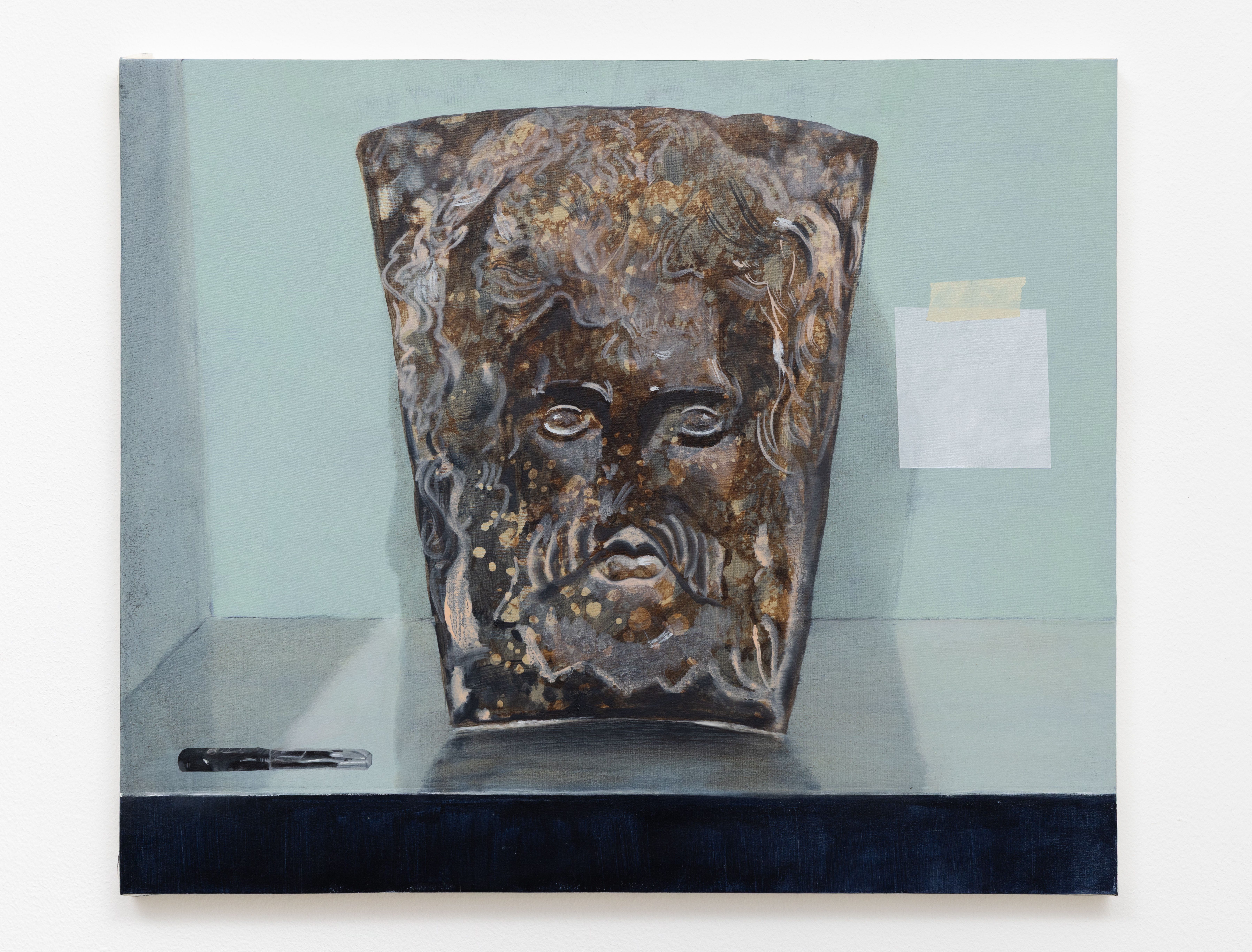
At the heart of both my residency and this exhibition was conversation - a shared dialogue between myself as an artist and the museum team about how objects gather meaning through care, attention, and time. Indeed, I was interested to learn how the word curate stems from the Latin meaning “to care”. We talked a lot about how everyday objects are transformed through being collected and curated. And in a similar vein, when something seemingly unassuming is painted, something almost transcendiary happens: it takes on a new life and meaning. Like a teacup once used by the Wimbledon suffragettes; it goes from being just a cup to an object of enchantment. Of course, it’s definitely no longer suitable for tea. Trust me, you don’t want to be the one drinking PG tips out of the precious historical artefact when the senior curator walks in.
In a recent post, I reflected on Jesus’ words: “Consider the lilies… consider the birds.” Jesus looked to nature as a signpost to God’s kingdom.
I also think of the value Jesus placed on everyday objects, not just those lovely lilies or chirpy birds, but also manmade items. When telling stories about the kingdom of God, He encouraged His followers to imagine ordinary things like nets, pearls, gates, cups, and coins, often beginning with “The kingdom of God is like a…” (sometimes I wish he’d talked about tea; I’d love to hear why the kingdom of God is like a cup of PG tips). For instance, He used the metaphor of a fishing net to illustrate how the kingdom collects all kinds of people (Matthew 13:47-50). Similarly, the parables of the hidden treasure and the pearl of great value emphasise the incomparable worth of the kingdom of heaven, teaching that Jesus’ followers should be willing to sacrifice everything to obtain it (Matthew 13:44-46) - and that includes sharing your last tea bag for the good of others.
Jesus also spoke of gates as symbols of access and opportunity, as seen in John 10:9, where He refers to Himself as the gate for the sheep. He used cups to illustrate the burdens we carry and our need to take up our crosses (Mark 10:38). Coins represent the resources we have and how we ought to use them wisely for God’s glory (Matthew 22:19-21). Through these examples, Jesus demonstrated how everyday objects can be imbued with Christian significance, inviting His followers to recognise God’s presence in the ordinary and to reflect on how these common objects relate to our faith and God’s kingdom.
Now, speaking of backgrounds: my conservative Christian upbringing (yes, folks, I’m an out-of-the-closet Calvinist) gives me the jitters whenever we discuss the value of material possessions. Romans 1 clearly outlines what can happen when we start worshiping created things rather than the Creator. Yet, I hold this in tension with the creation order, where God places significant value on what He creates and what His image-bearers produce, which in turn can point to the Creator.
In Genesis, we see how interested God is in the aesthetic dimension of His creation. When He made the trees, He declared them pleasing to the eye before saying they were good for food (Genesis 2:9). We can see that how things look and how they’re made is just as important to God as the function they serve. Or, to put it another way, God cares about both the form and function of things. The materials they’re made from speak to their purpose and meaning in the world. One of the many reasons art matters is that it brings together matter and meaning; it shows us how form and function work in tandem to reveal God’s character.
Writer and comedian A.L. Kennedy once said, “The things we see every day tell us whether we matter: whether we are loved; have power.”
As an artist in residence, I’ve been surrounded by objects that truly matter. At first glance, they can seem modest - a flint blade, a teacup, a teddy bear. But once you learn that the blade was sharpened thousands of years ago, that the teddy bear survived the Blitz, or that the cup belonged to the Wimbledon suffragettes, these objects come to life.
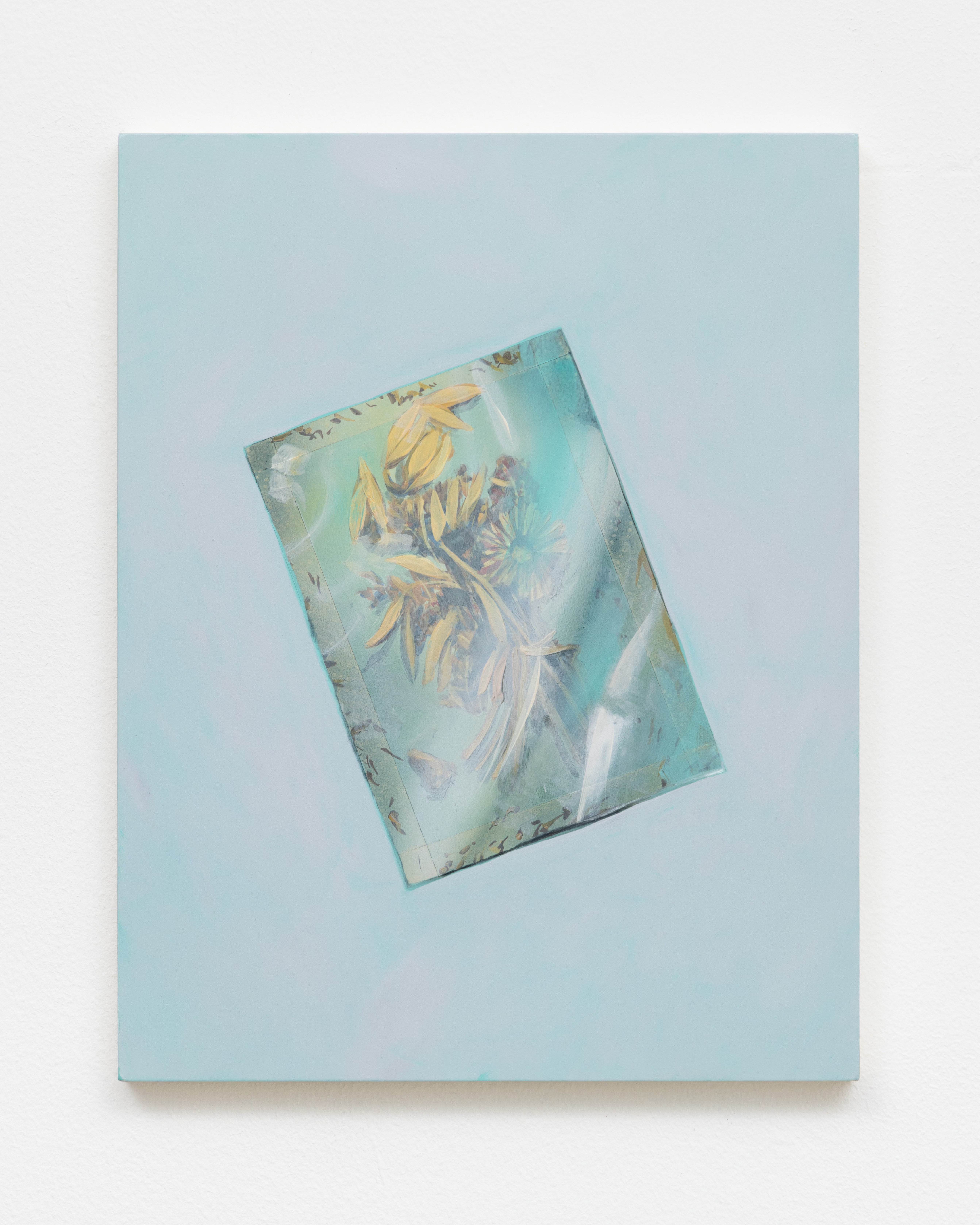
One small packet of pressed flowers particularly stayed with me. Picked from the trenches of Normandy by a soldier during the Second World War and sent home to a loved one, these flowers returned safely to Wimbledon, but their sender did not.
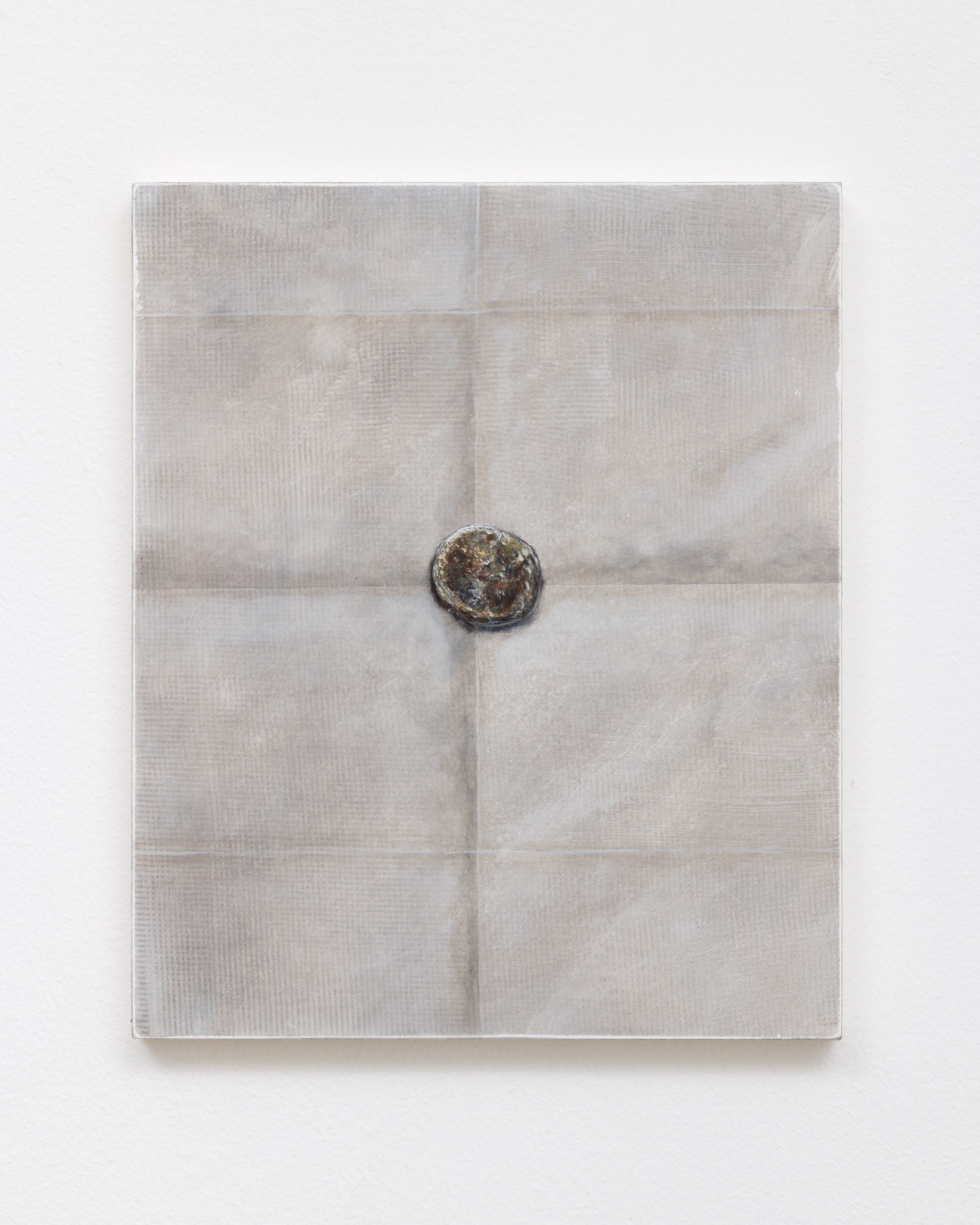
Some objects I painted are domestic, while others are more exotic, like Sir Henry Peake’s magnificent peacock. But all are elevated through being collected and cared for, preserved so their stories can be carried forward. For me, painting magnifies that transformation, turning everyday things into objects of wonder.
So come on in! The paintings are up, the welcome is warm, and you’re kindly invited. Drop me a line for the details.
Thanks for reading this Substack. I write for free and I write with joy. To increase the joy, you can become a paid subscriber by clicking the button below. It costs less than a pearl or a net—what a deal!