
Here’s to the Late Bloomers
In defence of artistic plodding.

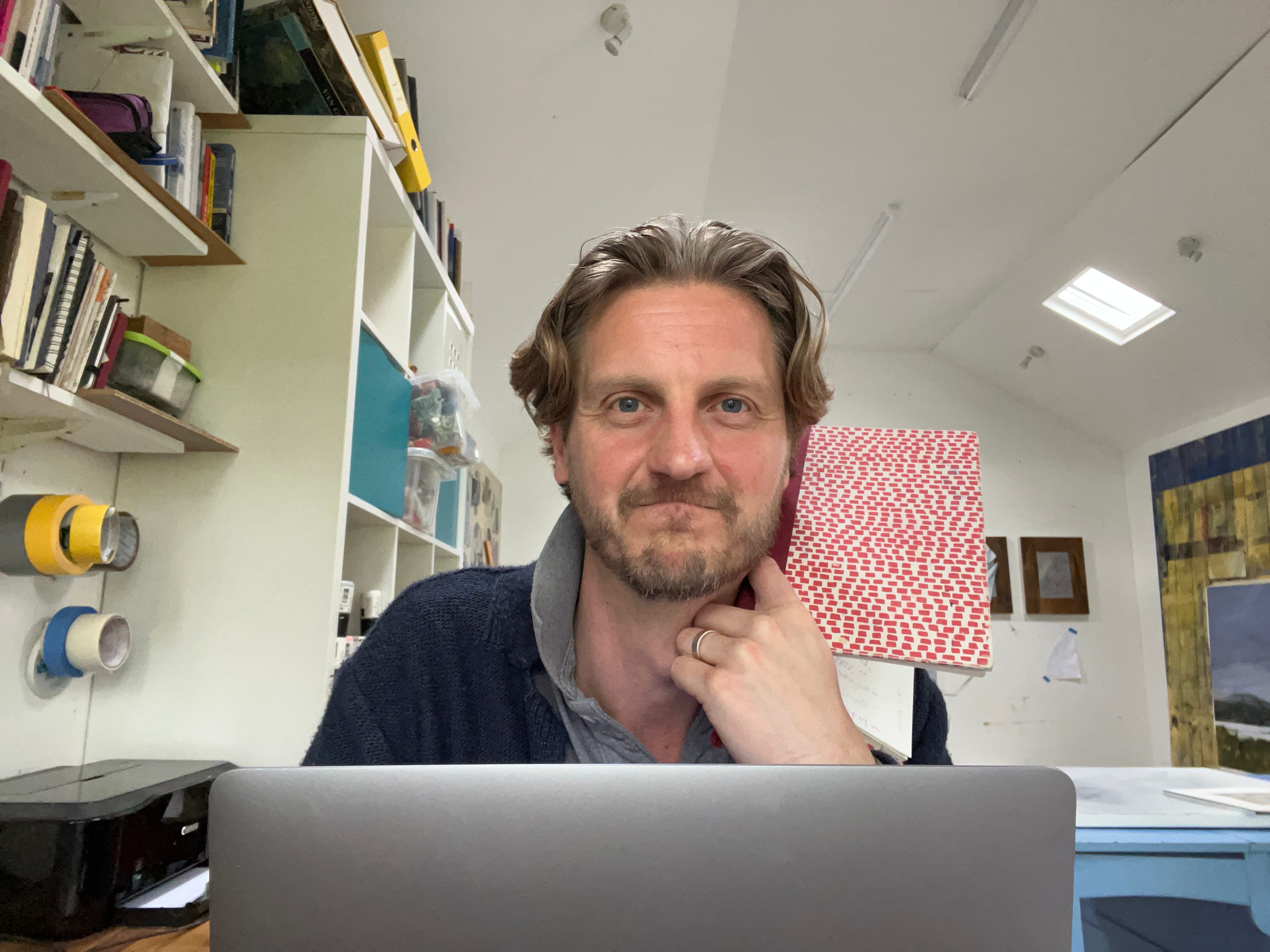
One week on from Hutchmoot and the dust hasn’t so much settled as clung stubbornly to my sketchbook and continued reverberating around my mind. I thought I’d share a few lingering thoughts from the conference, partly to pass them on, and partly in the hope they might finally sediment somewhere in my increasingly untidy imagination.
One standout session was Sophie Killingley’s seminar on late bloomers. She gave voice to the lesser-spoken truth that many artists tend to make their best work later in life. It’s not quite as exciting a headline as the wunderkind fresh out of art school, nor the tortured genius finally discovered after decades of obscurity. Somewhere in the middle are the plodders: the persistent, the not-yet-pensioners-but-no-longer-spring-chickens. Those of us who simply keep going.
For a room largely populated by middle-aged artists, you can imagine the reception. Sophie, frankly, could have started a small revival movement among weary middle-aged artists. She also writes here on Substack by the way, just saying.
I’m entirely with her in this. History suggests the Mozarts and Rimbauds are more the exception than the rule. I think of Paul Cézanne, who came to painting seriously later in life, and Rose Wylie, who won the John Moores Painting Prize when she was eighty. It turns out artistic greatness is often less an early explosion of genius and more a slow-burning coal fire.
Which, now I think about it, is also the central heating strategy of most British churches… and possibly many British art studios.
What is it about late blooming? I can only speak for myself, but I think I’ve needed time to develop my own visual language, and perhaps even longer to get over the internal pressure to become someone famous. Life experience has a way of deepening artistic practice, as does the cumulative effect of simply continuing to show up. Day after day. Painting after painting. Bad sketch after bad sketch.
I’m with Bruce Lee on this, who said, “Long-term consistency trumps short-term intensity.” It turns out years of kung fu not only make you formidable in a fight but also surprisingly quotable at artist retreats.
I also love how Octavia E. Butler put it:
“You don’t start out writing good stuff. You start out writing crap and thinking it’s good stuff, and then gradually you get better at it.”
There is, oddly enough, something deeply comforting in that.
If only I could travel back in time and reassure my younger self: it’s alright to fail. You do not need to produce your magnum opus by the age of thirty. In fact, statistically speaking, you may simply produce a great many moderately alarming paintings, an overdraft, and at least one emotionally complicated sketchbook.
Those who know me well will know I’m something of a science fiction geek. In recent years I have also become reasonably accomplished at writing exceedingly average science fiction stories. Thankfully, I compensate by reading exceptionally good ones.
Imagine my delight, then, when I noticed a seminar for fellow sci-fi enthusiasts on the Hutchmoot programme. Caleb Woodbridge, who also writes on Substack, spoke beautifully about how science fiction points beyond the world immediately visible to us. A story may be set in a galaxy far, far away, yet still reveal something painfully recognisable about politics, culture, fear, hope, and what it means to be human.
Honestly, there was something wonderfully reassuring about sitting in a room full of Christians discussing obscure science fiction novels. It may well have been the closest approximation to the kingdom of heaven I’ve yet encountered. Though with slightly more coffee and considerably worse posture.
I was equally struck by Seth Lewis’s reflections on hearing the voice of God through creation. His work reminded me that Christians have long understood nature itself as something that speaks of divine presence, if only we learn how to listen properly.
Less galaxy far, far away and more river deep, deep flowing.
At this point this is becoming less a Substack article and more an enthusiastic conference round-up, so let me also give a quick shoutout to John Grummitt (also Substacks) and Ellyn Oliver for their songwriters’ circle and for patiently enduring my attempts at songwriting. Everyone was suspiciously kind about my song, which naturally makes me distrust them slightly.
One final thought before I finish, and where else to end than with John Hendrix. (Not Jimi Hendrix, as my spellcheck repeatedly insisted. Think less Crosstown Traffic and more cross-hatch shading.)
John spoke about vocation and calling, helpfully dismantling some of the modern anxiety surrounding both. Creative vocations, after all, tend to involve more Bruce Lee-style plodding than dramatic Damascus-road revelations.
A few lines from his session have stayed with me:
“Imperfect making now is better than planning perfect art later.”
“If you make things, you are an artist.”
And perhaps my favourite:
“Your career may not be the same thing as your calling.”
So here’s to the late bloomers.
To the plodders.
To those quietly making things while wondering if anyone is paying attention.
Not prodigies. Not overnight successes. Just people continuing the work.
And perhaps that is its own kind of calling after all.
Thank you for reading. I write these posts freely and with genuine enjoyment, and without AI. If you’d like to support the work, you can become a paid subscriber below or you can say “nicely done” and buy me a coffee using the link.
When I turned 30 someone at church asked me if it felt like a significant number to me, and I said not really, but then after some thought I said “but Jesus only started His true ministry when He was 30 and I find that encouraging.”
“Everyone was suspiciously kind about my song, which naturally makes me distrust them slightly.” This! I get this 😂